
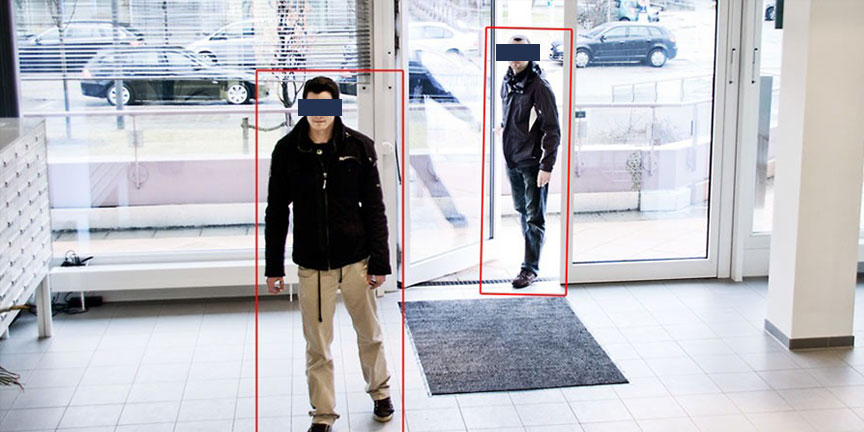
In the ever-evolving landscape of Closed Circuit Television (CCTV) technology, advanced motion detection has emerged as a critical feature. This technology not only enhances the efficiency of CCTV systems but also significantly increases their effectiveness in security applications. Understanding how advanced motion detection works and its importance is crucial for anyone looking to implement or upgrade a CCTV system. This comprehensive article will explore the intricacies of advanced motion detection in CCTV, its operational mechanisms, benefits, and the reasons why it is indispensable in modern surveillance.
The Basics of Motion Detection in CCTV
What is Motion Detection?
Motion detection in CCTV refers to the capability of the system to detect and respond to physical movement within its field of view. This feature triggers the camera to start recording or send an alert when motion is detected, rather than recording continuously.
How It Works
- Pixel-Based Analysis: The most common method involves analyzing changes in pixels in the video image. When a significant number of pixels change between frames, it indicates motion.
- Passive Infrared (PIR): Some cameras use PIR sensors to detect changes in infrared (heat) levels caused by moving objects, particularly effective in low-light conditions.
- Software Algorithms: Advanced systems use sophisticated software algorithms to differentiate between relevant motion (like a person entering a room) and irrelevant motion (like leaves blowing in the wind).
Advanced Features in Motion Detection
Adjustable Sensitivity and Thresholds
Users can often adjust the sensitivity of the motion detection, allowing for customization based on the specific environment and reducing false alarms.
Specific Area Monitoring
Advanced systems allow users to select specific areas within the camera’s field of view for motion detection, ignoring movements in other areas.
Integration with Other Systems
Motion detection can be integrated with other security systems, such as alarms or lighting, triggering them when motion is detected.
Benefits of Advanced Motion Detection
Efficient Storage and Bandwidth Use
By recording only when motion is detected, storage space and bandwidth usage are significantly reduced, leading to cost savings and more efficient data management.
Improved Security Response
Instant alerts and recordings triggered by motion can lead to quicker responses to security incidents, enhancing overall security efficacy.
Reduced False Alarms
Advanced algorithms and customizable settings reduce the likelihood of false alarms, a common issue with earlier motion detection systems.
Applications of Motion Detection in CCTV
Home Security
In residential settings, motion detection can alert homeowners to unexpected activity, enhancing peace of mind.
Business Surveillance
Businesses use motion detection to monitor for break-ins or unauthorized access outside of operating hours.
Traffic and Public Area Monitoring
In urban settings, motion detection helps in monitoring traffic flow, crowd control, and identifying incidents in public spaces.
Challenges and Considerations
Environmental Factors
Outdoor cameras can face challenges like moving trees, animals, or changing lighting conditions, potentially leading to false alarms.
Placement and Positioning
The effectiveness of motion detection can depend heavily on the placement and positioning of the camera.
Balancing Sensitivity
Finding the right balance in sensitivity settings is crucial to avoid missing genuine incidents or having too many false alarms.
The Future of Motion Detection in CCTV
Artificial Intelligence (AI) Integration
The integration of AI is set to revolutionize motion detection, with smarter algorithms capable of identifying specific types of motion and even recognizing individuals.
Increasing Accuracy and Reliability
Ongoing technological advancements are focused on increasing the accuracy and reliability of motion detection in diverse environments.
Conclusion
Advanced motion detection in CCTV systems represents a significant leap forward in surveillance technology. Its ability to efficiently manage storage and bandwidth, reduce false alarms, and provide timely alerts makes it an invaluable feature in modern CCTV systems. Whether for home security, business surveillance, or public safety, the advanced motion detection technology ensures that CCTV systems are not just recording devices but proactive security tools. As technology continues to evolve, particularly with the integration of AI, the capabilities and applications of motion detection in CCTV are poised to expand even further, offering more sophisticated, reliable, and effective surveillance solutions.