
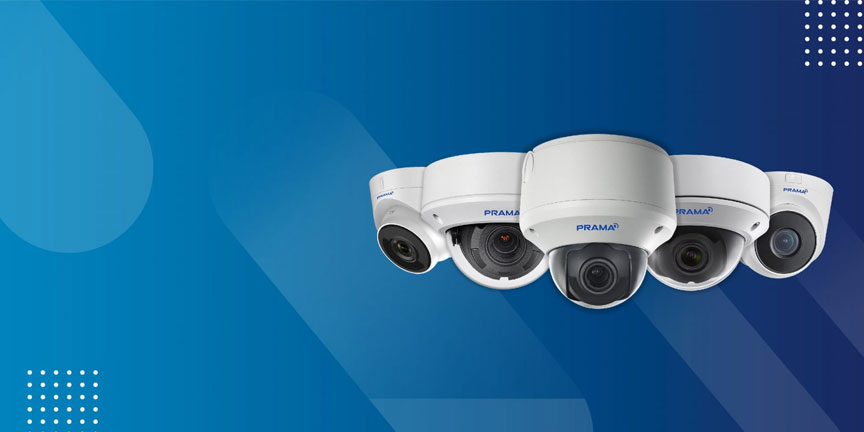
The realm of home security is witnessing a remarkable transformation, driven by technological innovation and an ever-growing emphasis on safety and privacy. In 2024, several revolutionary CCTV technologies are changing the landscape of home security, making it more effective, accessible, and intelligent. This article will explore these groundbreaking advancements, shedding light on how they’re reshaping our approach to home safety.
1. Artificial Intelligence and Machine Learning Integration
Overview
The integration of Artificial Intelligence (AI) and Machine Learning (ML) into CCTV systems marks a significant leap forward. Unlike traditional systems that merely record footage, AI-enhanced CCTV can analyze video data in real-time, offering a proactive approach to home security.
Key Features
- Real-Time Analysis: These systems can identify unusual activities, detect potential threats, and even recognize familiar faces versus strangers.
- Smart Alerts: Homeowners receive instant alerts about suspicious activities, reducing the likelihood of false alarms.
- Behavioral Prediction: By learning from past data, AI-empowered cameras can predict potential security breaches before they occur.
Impact
The impact is profound. Homeowners benefit from a security system that not only watches but understands what it’s seeing, offering peace of mind and a more robust defense against intruders.
2. Wireless and Solar-Powered Cameras
Overview
The advent of wireless and solar-powered CCTV cameras is a game-changer, particularly for homes in remote locations or for those looking to reduce their carbon footprint.
Key Features
- Ease of Installation: Wireless cameras eliminate the need for complex wiring systems, making installation straightforward.
- Eco-Friendly: Solar-powered options offer a sustainable alternative, harnessing renewable energy.
- Flexibility in Placement: These cameras can be placed anywhere with sun exposure, ensuring no blind spots in surveillance.
Impact
This technology not only simplifies the installation process but also promotes environmental sustainability while ensuring continuous surveillance without the worry of power outages.
3. Ultra-High-Resolution Cameras
Overview
The introduction of ultra-high-resolution cameras in home security systems is providing unprecedented image clarity.
Key Features
- 4K and Beyond: With resolutions going beyond 4K, these cameras capture minute details, crucial in identifying intruders or in forensic analysis.
- Advanced Night Vision: Enhanced resolution extends to night vision capabilities, offering clear footage even in low-light conditions.
- Wider Field of View: Higher resolution means wider fields of view with the same level of detail, reducing the number of cameras needed.
Impact
The clarity and detail provided by these cameras mean that homeowners can enjoy greater security accuracy and more effective identification of security threats.
4. Edge Computing in CCTV
Overview
Edge computing is transforming CCTV technology by processing data on the camera itself rather than relying on remote servers.
Key Features
- Speedier Processing: By processing data locally, edge computing allows for quicker decision-making and alerts.
- Reduced Bandwidth Requirements: This technology reduces the need for constant high-bandwidth connectivity to cloud servers.
- Enhanced Privacy: Local data processing means less personal data is transmitted over the network, bolstering privacy.
Impact
Edge computing enhances the efficiency, speed, and privacy of home security systems, making them more reliable and less intrusive.
5. Integrated Smart Home Systems
Overview
The integration of CCTV with other smart home technologies is creating a more interconnected and intelligent home security environment.
Key Features
- Unified Control: Homeowners can control various aspects of their home security, from cameras to alarms, all from a single platform.
- Automated Responses: The system can automatically lock doors, turn on lights, or even alert authorities in case of an intrusion.
- Personalized Security Scenarios: Users can set up custom scenarios or routines for enhanced security based on personal preferences.
Impact
This integration streamlines home security management, offering a more personalized, comprehensive, and user-friendly approach to home safety.
Conclusion
The year 2024 stands as a watershed moment in home security, marked by the advent of technologies that are not just enhancements but revolutions in their own right. From AI and ML integration to the synergy of CCTV with smart home systems, these advancements are setting new standards in how we protect our homes. As we embrace these technologies, it’s also vital to consider the ethical implications, particularly concerning privacy and data security, ensuring that the sanctity of our personal spaces is preserved even as they become more secure.